Learning Outcome 4
Exploratory Research & Professional Practice
Research Methodologies
Before designing, I explored how visual media can support music promotion. I studied current trends among indie pop artists, paying close attention to the emotional tones in their visual content. This helped me understand what kinds of visuals connect with audiences in that space.
I also considered the artist’s personal style. Instead of just copying what others did, I focused on building something that felt true to Owen’s music. Early sketches and moodboards helped clarify the concept. From there, I moved into layout planning using Figma, where I tested ideas for text placement and image flow.
One of my first layouts didn’t land well with Owen. It didn’t fit his sound or his vibe. But that feedback was helpful. I took a new direction and reworked the design into something that felt more honest and visually rich..
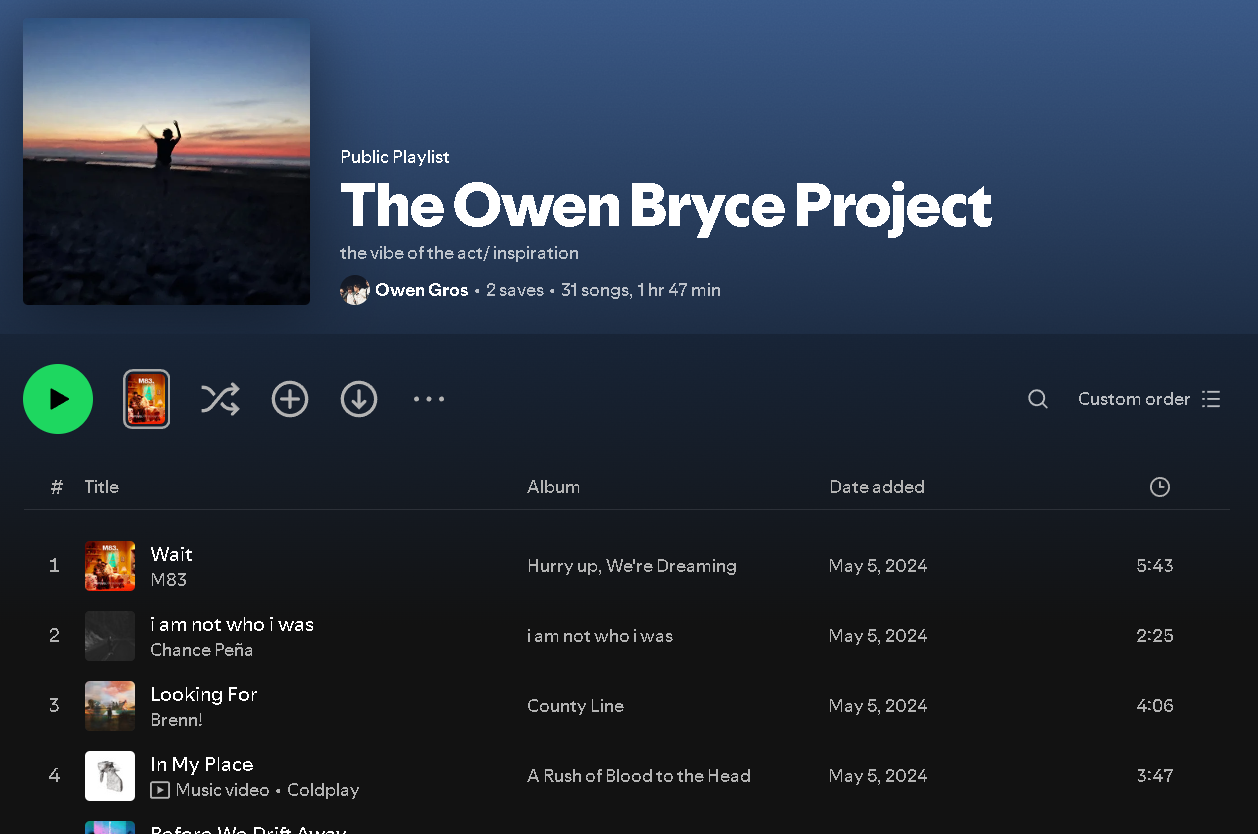
Owen's Spotify playlist
used for research
Project Organization
To manage the work, I used a structured timeline that split the project into phases: research, early drafts, visual design, revisions, and final delivery. This gave me a clear path forward and made sure I stayed on schedule.
Along the way, I kept my assets organized—Figma drafts, Photoshop files, notes, and feedback screenshots. I saved progress versions and created folders for different stages of the design. That way, I could backtrack if needed and always know where everything was.
Planning extra time for unexpected edits meant I never had to rush. Having that buffer allowed for smoother collaboration and better final touches.
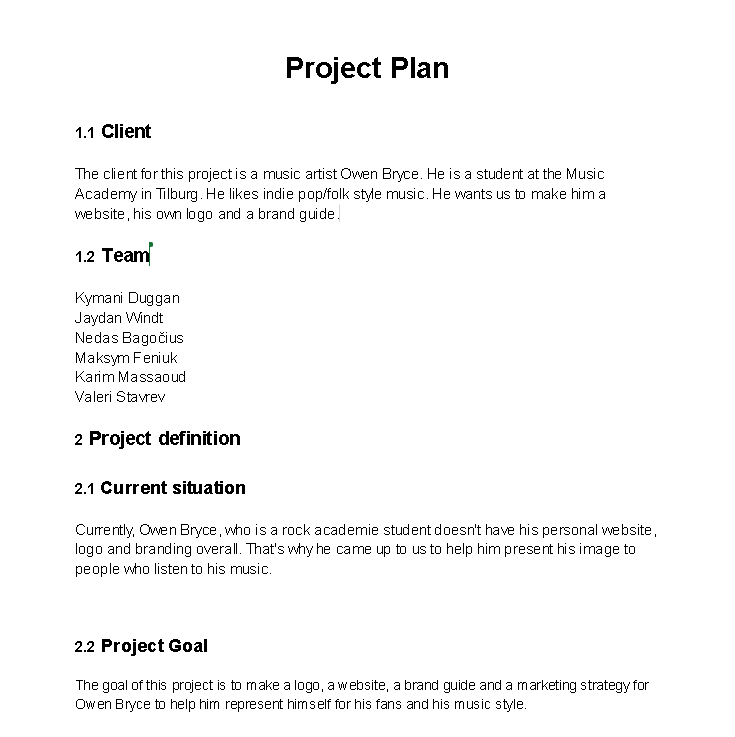
Group Organization
(1)
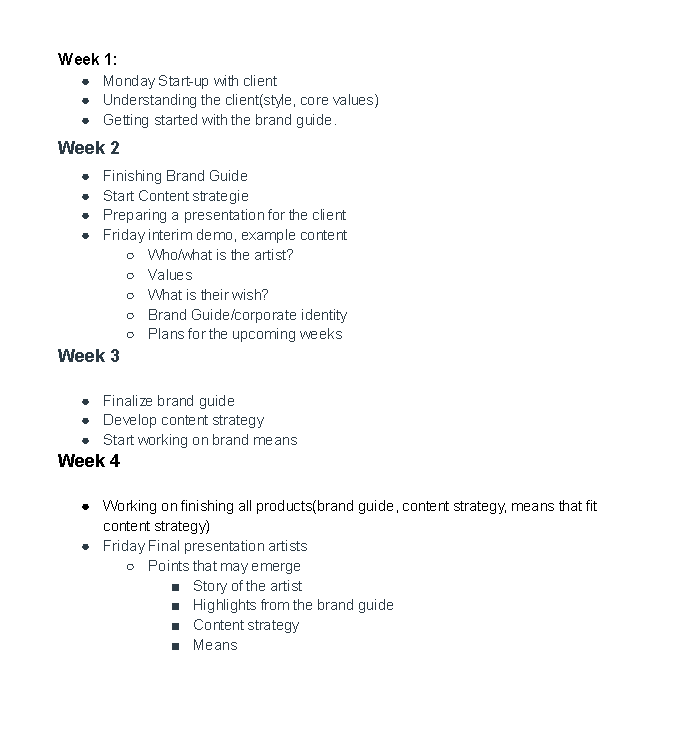
Group Organization
(2)
Professional Communication
I kept communication simple, clear, and warm. When I first sent Owen the artwork, I made it clear that it was just a starting point—and that any tweaks or changes were totally welcome.
This made space for an honest reply. Owen’s message was thoughtful and enthusiastic. He praised the color palette, the mood, and the mirrored effect under the title. His words showed that the work connected with him emotionally, which was one of my main goals.
The exchange showed that speaking openly and respectfully creates trust. It helped the project move forward without any friction.
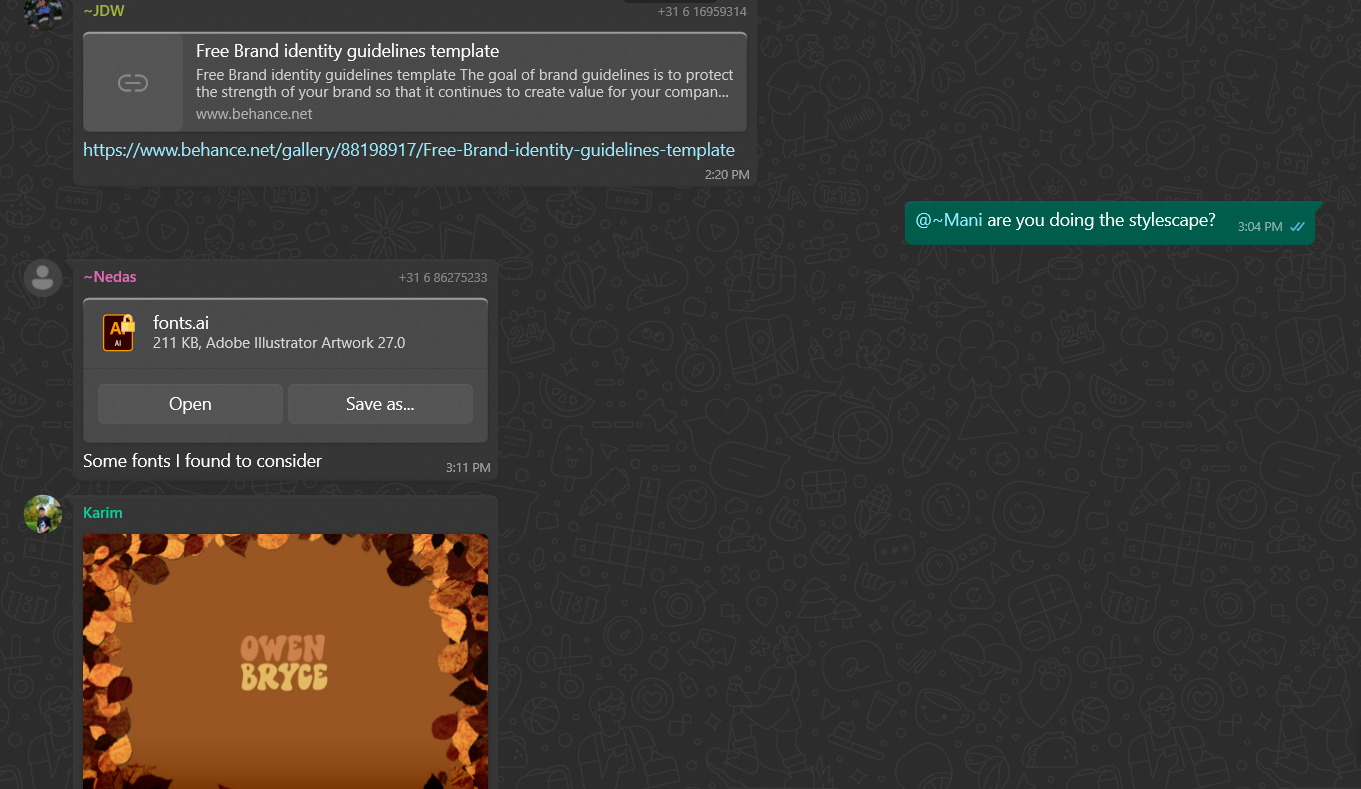
Communication with group via Whatsapp
Research Case Study
Problem Identification:
The client needed a design that reflected the emotion in his song and felt polished enough for online release. It had to feel personal, not generic.
Method Selection:
I combined visual research, design testing, and client feedback. I sketched several options and explored layout ideas using Figma. After early feedback, I shifted to a different style with Photoshop.
Data Collection & Analysis:
After sending the first mock-up, I received helpful feedback. Owen didn’t feel the layout matched his sound. I reflected on what was missing and realized it needed more contrast and atmosphere. I redesigned it to include deeper tones and a striking mirrored reflection.
Conclusion:
The final design clicked immediately. No changes were requested. The process showed how valuable early testing and feedback can be. Even if the first version isn’t right, it can point the way to something better.
Learning Outcomes
Outcomes
These learning outcomes represent key skills and competencies developed throughout my web development education and professional experiences.
LO 1
Mastered front-end web development fundamentals including HTML5, CSS3, and JavaScript to create responsive and accessible user interfaces.
LO 2
Developed proficiency in modern frameworks like React.js to build dynamic, interactive web applications with efficient state management.
LO 3
Implemented backend solutions using Node.js and database management systems to create full-stack applications with secure data handling.
LO 5
Applied version control with Git and collaborated effectively in team environments to deliver complex web projects on schedule.